

The Mekong Subregion, comprising Cambodia, Laos, Thailand, Vietnam, and Myanmar, is a critical hotspot for transnational organized crime. Among the critical issues in this region are not only illicit narcotics but also wildlife trafficking and money laundering, which threaten biodiversity, undermine ecosystems, and fuel illicit financial flows.
𝗧𝗵𝗲 𝗚𝗿𝗼𝘄𝗶𝗻𝗴 𝗧𝗵𝗿𝗲𝗮𝘁 𝗼𝗳 𝗪𝗶𝗹𝗱𝗹𝗶𝗳𝗲 𝗧𝗿𝗮𝗳𝗳𝗶𝗰𝗸𝗶𝗻𝗴 𝗮𝗻𝗱 𝗠𝗼𝗻𝗲𝘆 𝗟𝗮𝘂𝗻𝗱𝗲𝗿𝗶𝗻𝗴
Wildlife trafficking is a lucrative and rapidly expanding illicit trade, driven by the high demand for exotic species and their products. In the Mekong Subregion, wildlife traffickers exploit the region’s rich biodiversity and its strategic position as a trade nexus between Southeast Asia, China, African countries, and the rest of the world. The illegal wildlife trade involves a range of endangered species, from elephants and tigers to rare reptiles and birds, as well as their body parts, such as ivory, skins, and ingredients for traditional medicine.
The consequences of wildlife trafficking are devastating. It accelerates the extinction of protected species, damages ecosystems, and jeopardizes the cultural and economic well-being of communities that rely on healthy biodiversity. As these crimes escalate, they often intersect with other forms of transnational organized crime, including drug trafficking, human trafficking, and arms smuggling.
Money laundering is an inherent component of wildlife trafficking. Criminal syndicates often use financial mechanisms to funnel the proceeds of wildlife crimes into legitimate businesses, making it difficult for authorities to track illicit funds. Methods such as bulk cash smuggling, trade misinvoicing, and complex cross-border financial transactions allow traffickers to disguise their criminal earnings and evade detection by law enforcement. As the profits from wildlife trafficking grow, so does the scale and complexity of these laundering operations.
𝗥𝗲𝗴𝗶𝗼𝗻𝗮𝗹 𝗖𝗼𝗼𝗽𝗲𝗿𝗮𝘁𝗶𝗼𝗻: 𝗔 𝗩𝗶𝘁𝗮𝗹 𝗦𝘁𝗿𝗮𝘁𝗲𝗴𝘆 𝗳𝗼𝗿 𝗖𝗼𝗺𝗯𝗮𝘁𝘁𝗶𝗻𝗴 𝗪𝗶𝗹𝗱𝗹𝗶𝗳𝗲 𝗖𝗿𝗶𝗺𝗲
Addressing wildlife trafficking and its associated financial crimes requires a coordinated, multi-country, cross-border approach. Efforts to combat wildlife crime in the Mekong Subregion have been hindered by weak enforcement frameworks, corruption, and the convergence of wildlife trafficking with other organized crimes. To overcome these challenges, it is essential for regional countries to collaborate closely, sharing intelligence and information, strategies, and best practices.
A recent milestone in regional cooperation was the 𝟭𝘀𝘁 𝗠𝗲𝗲𝘁𝗶𝗻𝗴 𝗼𝗳 𝘁𝗵𝗲 𝗠𝗲𝗸𝗼𝗻𝗴 𝗦𝘂𝗯𝗿𝗲𝗴𝗶𝗼𝗻 𝗣𝗿𝗼𝘀𝗲𝗰𝘂𝘁𝗼𝗿𝘀’ 𝗡𝗲𝘁𝘄𝗼𝗿𝗸 𝗔𝗴𝗮𝗶𝗻𝘀𝘁 𝗧𝗿𝗮𝗻𝘀𝗻𝗮𝘁𝗶𝗼𝗻𝗮𝗹 𝗢𝗿𝗴𝗮𝗻𝗶𝘇𝗲𝗱 𝗖𝗿𝗶𝗺𝗲 𝗮𝗻𝗱 𝗪𝗼𝗿𝗸𝘀𝗵𝗼𝗽 𝗼𝗻 𝗖𝗼𝗺𝗯𝗮𝘁𝗶𝗻𝗴 𝗪𝗶𝗹𝗱𝗹𝗶𝗳𝗲 𝗖𝗿𝗶𝗺𝗲 𝗮𝗻𝗱 𝗔𝘀𝘀𝗼𝗰𝗶𝗮𝘁𝗲𝗱 𝗠𝗼𝗻𝗲𝘆 𝗟𝗮𝘂𝗻𝗱𝗲𝗿𝗶𝗻𝗴, organized by the Office of the Attorney General of Thailand and ILSTA. Held in Nakhon Phanom, Thailand, on December 11–12, 2024, the event brought together prosecutors and legal experts from Thailand, Cambodia, Laos, Vietnam, and Indonesia. The event provided a platform for participants to discuss effective prosecution of wildlife crime and strategies to combat associated money laundering.
This event was one of the regional initiatives supported by ILSTA in fostering the exchange of lessons learned and best practices among prosecutors across the region. The emphasis was on improving mutual legal assistance in criminal investigations and prosecutions. This cooperation is essential to address organized crime and tackle the transnational nature of wildlife crime, which often spans multiple countries and jurisdictions.
𝗔𝗱𝗱𝗿𝗲𝘀𝘀𝗶𝗻𝗴 𝘁𝗵𝗲 𝗖𝗵𝗮𝗹𝗹𝗲𝗻𝗴𝗲𝘀 𝗼𝗳 𝗜𝗱𝗲𝗻𝘁𝗶𝗳𝘆𝗶𝗻𝗴 𝗮𝗻𝗱 𝗣𝗿𝗼𝘀𝗲𝗰𝘂𝘁𝗶𝗻𝗴 𝗪𝗶𝗹𝗱𝗹𝗶𝗳𝗲 𝗖𝗿𝗶𝗺𝗲
One of the significant hurdles in prosecuting wildlife trafficking is the identification of species involved in illegal trade. 𝗧𝗵𝗲 𝗖𝗼𝗻𝘃𝗲𝗻𝘁𝗶𝗼𝗻 𝗼𝗻 𝗜𝗻𝘁𝗲𝗿𝗻𝗮𝘁𝗶𝗼𝗻𝗮𝗹 𝗧𝗿𝗮𝗱𝗲 𝗶𝗻 𝗘𝗻𝗱𝗮𝗻𝗴𝗲𝗿𝗲𝗱 𝗦𝗽𝗲𝗰𝗶𝗲𝘀 𝗼𝗳 𝗪𝗶𝗹𝗱 𝗙𝗮𝘂𝗻𝗮 𝗮𝗻𝗱 𝗙𝗹𝗼𝗿𝗮 (𝗖𝗜𝗧𝗘𝗦), to which all Mekong countries are parties, provides a framework for identifying protected species and regulating international trade. However, enforcement is complicated due to the identification of species, the sheer scale of the trade, the use of falsified documents, and traffickers’ ability to exploit gaps in regulatory systems.
The CITES Appendices categorize species based on their level of protection, with 𝗔𝗽𝗽𝗲𝗻𝗱𝗶𝘅 𝗜 listing species that are most at risk and thus prohibited from international trade or exchange. However, traffickers often attempt to circumvent these regulations, making it difficult for law enforcement to identify illegal activities in a timely manner. This highlights the need for strong inter-agency coordination, a programmatic cross-sector approach to capacity building, and specialized training to ensure authorities can effectively identify protected species and their derivatives. Such an approach would ensure that law enforcement, customs, and relevant regulatory bodies are equipped with the tools and knowledge needed to combat wildlife trafficking effectively.
𝗥𝗲𝗰𝗲𝗻𝘁 𝗗𝗲𝘃𝗲𝗹𝗼𝗽𝗺𝗲𝗻𝘁𝘀 𝗶𝗻 𝗥𝗲𝗴𝗶𝗼𝗻𝗮𝗹 𝗖𝗼𝗼𝗽𝗲𝗿𝗮𝘁𝗶𝗼𝗻: 𝗧𝗵𝗲 𝗔𝗦𝗘𝗔𝗡 𝗣𝗿𝗼𝘀𝗲𝗰𝘂𝘁𝗼𝗿𝘀’ 𝗡𝗲𝘁𝘄𝗼𝗿𝗸
The meeting in Nakhon Phanom marks a significant step in strengthening legal cooperation in the region. The network of prosecutors serves as a crucial platform for enhancing regional collaboration. Supported by the Prosecutors’ and Attorneys General Offices of ASEAN countries, this network aims to expedite international legal cooperation, particularly in the prosecution of organized crime, including wildlife trafficking.
𝗟𝗼𝗼𝗸𝗶𝗻𝗴 𝗔𝗵𝗲𝗮𝗱: 𝗧𝗵𝗲 𝗥𝗼𝗹𝗲 𝗼𝗳 𝗜𝗟𝗦𝗧𝗔 𝗮𝗻𝗱 𝗙𝘂𝘁𝘂𝗿𝗲 𝗥𝗲𝗴𝗶𝗼𝗻𝗮𝗹 𝗘𝘃𝗲𝗻𝘁𝘀
As part of its ongoing commitment to supporting the fight against wildlife trafficking and money laundering, ILSTA continues to work closely with governments and legal bodies. In addition to supporting events like the December workshop, ILSTA, with the support of the Government of Luxembourg, plays a critical role in capacity-building, helping regional authorities strengthen their investigative and prosecutorial capabilities and ensuring compliance with FATF standards.
Future regional events will build on the knowledge and networks established in Nakhon Phanom, with the goal of deepening cooperation and developing more effective strategies to combat organized crime, wildlife crime, and financial crimes. Additional events will also be organized to address other important thematic areas.
The event was supported by the Office of the Attorney General, ILSTA, and the Fonds contre certaines formes de criminalité from Luxembourg.

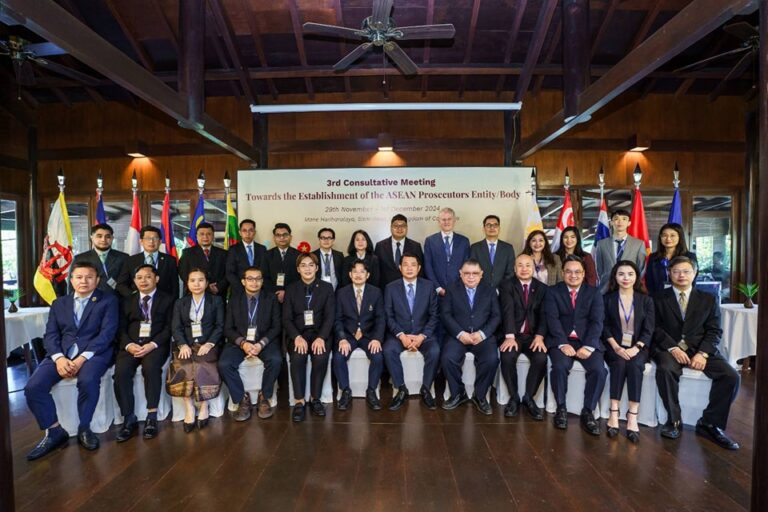
Third Consultative Meeting to Establish the ASEAN Prosecutor Body/Entity
Mr. Jumpon Phansumrit, Deputy Attorney General, along with a delegation from the Office of the Attorney General of Thailand, participated in the Third Consultative Meeting to Establish the ASEAN Prosecutor

